Green Clover Leaf: A Designer's Review for Branded Merch
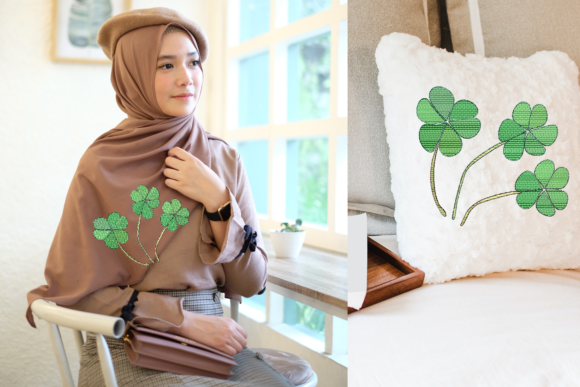
As an embroidery designer who has spent years digitizing and reviewing files for commercial use, I approach every new machine embroidery design with a critical eye toward business application. When I first loaded the Green Clover Leaf onto my screen, my immediate impression was one of understated elegance. Unlike bold, blocky logos often used for corporate uniforms, this design from the Single Flowers category offers a softer, more organic aesthetic. It feels rustic yet premium, making it an ideal candidate for brands that want to convey a handmade, artisanal vibe rather than a mass-produced feel.
The product description promises a "delicately elegant touch," and in my professional assessment, this holds true for specific market niches. For small business owners running bakeries, florists, boutique cafes, or eco-friendly product lines, the Green Clover Leaf serves as more than just decoration; it acts as a subtle brand ambassador. The natural motif suggests growth, luck, and nature, which aligns perfectly with businesses focused on wellness, organic goods, or St. Patrick's Day promotions.
Real-World Application for Small Business Merch
In the context of small business merch, versatility is key. I evaluated how this embroidery file would perform across various substrates commonly used by Etsy sellers and local creators. Here is where I see the most potential:
- Apron Embroidery: For a bakery or flower shop, placing the Green Clover Leaf on the chest pocket of a canvas apron adds a professional, cohesive look to staff uniforms without being overpowering.
- Tote Bag Design: Canvas tote bags are staples for boutique retail. A medium-sized placement of this clover on the corner of a bag elevates the perceived value of the packaging, turning a simple carry-all into a branded asset.
- Cap Embroidery: On a structured baseball cap, this design works well as a side-panel accent or a small front-center logo, provided the stitch count allows for the curve of the brim.
- Product Labels: For handmade clothing brands, a small version of this design can serve as a woven-label alternative, stitched directly onto the hem or tag area of a garment.
The beauty of using a floral element like the Green Clover Leaf in commercial embroidery projects is its ability to soften a brand's image. If your business identity is built on trust, care, and natural ingredients, this design reinforces those values visually. It transforms a plain work shirt or a simple towel into a piece of custom apparel that customers actually want to wear or keep.
Technical Considerations and Fabric Compatibility
While the aesthetic appeal is high, a professional review must address the technical realities of production. The description notes its suitability for home decor items like curtains and bedsheets, which implies a certain level of detail. However, when adapting this for embroidered patch creation or heavy-use items, caution is required.
One major factor to consider is stitch density. Floral designs often rely on satin stitches or fine fill patterns to achieve that "delicate" look. If the density is too high, the design may become stiff and prone to puckering, especially on stretchy fabrics like polo shirts or lightweight tees. Conversely, if the density is too low, the fabric texture might show through, compromising the solid green appearance essential for brand recognition.
I also advise careful consideration regarding thread colors. Since this is a monochromatic or near-monochromatic green design, contrast is vital. On dark navy or black uniforms, you must ensure the specific shade of green thread used has enough brightness to pop. Without sufficient contrast, the finished product will look muddy and unprofessional from a distance. Always request a physical sample or create a printable mockup with your specific thread chart before committing to a large run.
Navigating Curved Surfaces and Small Sizes
Small business owners often want to maximize space, but shrinking a detailed floral design can be disastrous. If you intend to use the Green Clover Leaf as a tiny chest logo or on a narrow hat band, you must verify the minimum viable size. Fine outlines and small leaves can merge together when reduced, losing the definition that makes the design elegant.
Furthermore, curved surfaces like caps present a challenge. The hoop tension and the curvature of the cap front can distort circular or organic shapes. Before selling these as design assets or merchandise, test the design on a actual cap buckram to ensure the clover does not look warped after stitching.
Enhancing Brand Identity and Customer Trust
In today's market, visual consistency drives customer trust. Using a high-quality digital embroidery file like the Green Clover Leaf ensures that every item leaving your shop looks identical. This consistency is crucial for building brand identity. Whether a customer buys a towel, a tote, or a t-shirt, the recognizable clover symbol creates a mental link to your business quality.
Moreover, embroidered elements significantly increase the perceived value of a handmade product. Compared to heat transfers or screen printing, embroidery offers texture and durability. When a customer sees the raised texture of the clover leaf on an apron or bag, they subconsciously associate the item with longevity and craftsmanship. This perception justifies higher price points and encourages buyer engagement.
Practical Notes for Production
Before integrating the Green Clover Leaf into your inventory, I recommend following this checklist to ensure professional results:
- Test in Black and White: Convert your mockup to grayscale to check if the design relies too heavily on color contrast for definition. If it disappears in black and white, it may lack structural clarity.
- Verify Hoop Size: Confirm that the design fits within your available hoop size limits, especially if you are working with smaller hoops for cuffs or pockets.
- Select the Right Stabilizer: Given the potential for delicate details, use a cut-away stabilizer for stretchy fabrics to prevent distortion over time, especially for items that will undergo frequent washing.
- Check Commercial Licensing: Always confirm the license terms associated with the file. Ensure you have the rights to use the design for commercial embroidery and resale purposes.
- Fabric Testing: Stitch a sample on the exact fabric you plan to sell. The way the green thread interacts with a linen blend differs vastly from a polyester-cotton mix.
Ultimately, the Green Clover Leaf is a versatile asset for the right business. It bridges the gap between decorative home accents and functional branded merchandise. By paying attention to stitch density, thread contrast, and placement, small business owners can leverage this design to create memorable, high-value products that resonate with their audience. Just remember to validate the technical specs against your specific machinery and materials before launching your collection.