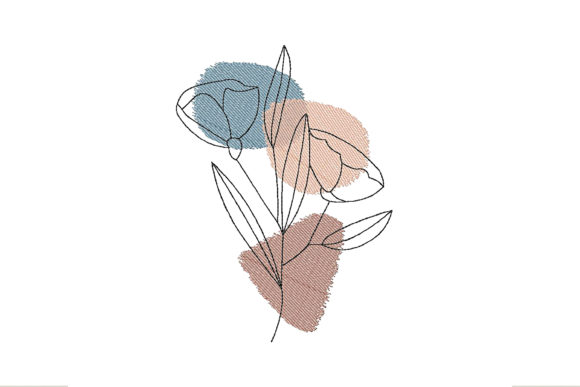
Abstract Poppy: A Modern Embroidery Design Review
As an embroidery designer preparing for a busy weekend at the local craft fair, my table needs to tell a story instantly. Customers walk by quickly, and I only have a split second to grab their attention with bold visuals and high-quality craftsmanship. This week, I am evaluating Abstract Poppy, a modern machine embroidery design from the Single Flowers category, to see if it earns a prime spot on my display table. The description promises a beautiful decoration for pillows, bed sheets, hand towels, kitchen decor, and clothing, but in the real world of handmade products, promises must translate into tangible sales.
First Impressions and Visual Appeal
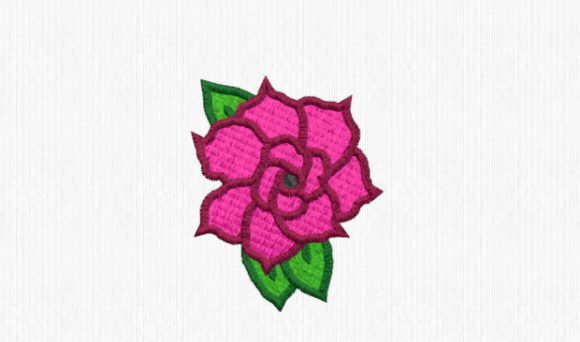
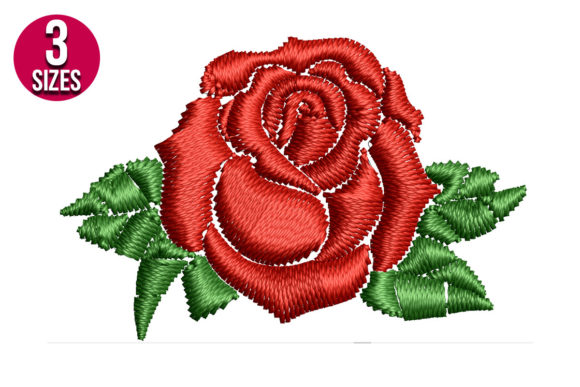
When I first loaded the digital embroidery file onto my screen, the immediate impression was one of contemporary elegance. Unlike traditional, hyper-realistic floral patterns that can sometimes feel dated or overly busy, Abstract Poppy feels fresh and artistic. It strikes a balance between minimal and decorative, making it versatile enough for a boutique maker selling to diverse demographics. The abstraction allows the viewer's eye to fill in the details, which often creates a more premium feel than a standard clip-art style flower.
For an Etsy seller or a booth owner, visual impact is everything. This design does not scream "rustic farmhouse" nor does it lean too hard into "cute." Instead, it occupies a sophisticated middle ground that appeals to buyers looking for modern home decor. The lines appear clean, suggesting that when stitched out, the thread colors will pop against various fabric backgrounds. Whether placed on a crisp white linen or a deep navy canvas, the abstract nature of the poppy ensures it remains the focal point without getting lost in the texture of the material.
Product Versatility for Craft Fair Tables
The true test of any machine embroidery design is its adaptability across different products. My craft fair strategy involves offering a range of price points, from small impulse buys to larger statement pieces. Abstract Poppy shines here because of its scalable aesthetic.
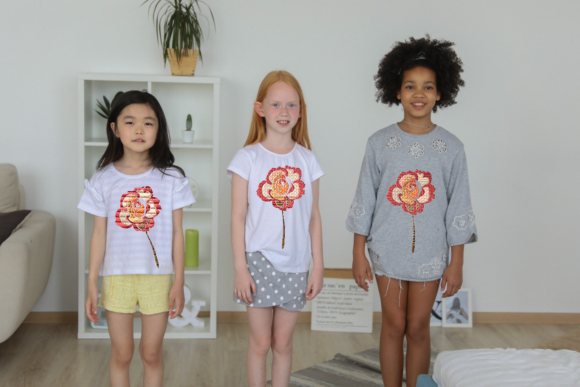
- Tote Bags and Market Bags: This is likely the strongest contender for this design. A large hoop placement on a natural canvas tote creates an instant bestseller. The abstract style looks intentional and high-end, perfect for a tote bag design that customers want to carry as a fashion statement rather than just a grocery getter.
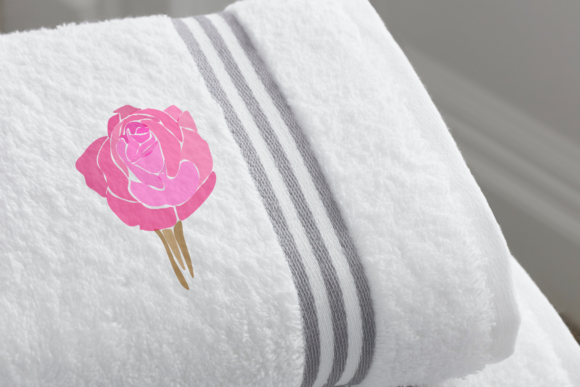
- Kitchen Linens: For tea towel embroidery and aprons, the design offers a lovely accent. On an apron, placing the poppy on the bib or the lower pocket adds a touch of personality to a functional handmade product. However, one must be mindful of the fabric texture; looped towels might obscure fine details, so a tighter weave is preferable.
- Patches and Pouches: If I create an embroidered patch using a cut-away stabilizer and merrow edge, this design becomes a standalone accessory. It can be ironed onto denim jackets or hats, expanding the product line without needing to embroider directly on difficult garments.
- Home Decor: Pillow covers are a staple for holiday markets. The modern vibe of Abstract Poppy fits well with current interior design trends, moving away from shabby chic toward mid-century modern or Scandinavian styles.
Production Realities and Technical Considerations
While the aesthetic is promising, a professional review must address the practicalities of production. Batch production is key to profitability at craft fairs; I cannot spend three hours hooping and trimming a single item if I need fifty units by Saturday morning. Abstract Poppy appears to have a structure that supports repeatability, but there are critical factors to verify before running a full batch.
First, stitch density is a major concern. Abstract designs sometimes rely on satin stitches that can become bulky if the density is too high, leading to puckering on lighter fabrics like those used for clothing or bed sheets. Conversely, if the density is too low, the fabric might show through, ruining the solid look of the petals. I strongly advise testing the design on scrap fabric identical to your final product to check for registration issues.
Secondly, consider the hoop size requirements. The product description mentions multiple files, which usually implies various sizes, but you must confirm the maximum dimensions fit your available hoops. If you plan to embroider on curved surfaces like caps, ensure the design is digitized specifically for that application, as standard flat files can distort on a structured front panel.
Color selection is another vital element. While the design is abstract, the contrast between the thread colors and the base fabric determines readability. On dark fabrics, you may need to adjust the underlay or choose brighter thread shades to maintain clarity. Tiny details in abstract art can get lost if the thread weight is too thick or if the stabilizer is not robust enough to hold the stitches in place during washing.
Marketing and Customer Engagement
In terms of marketing, Abstract Poppy offers excellent potential for creating eye-catching printable mockups for online listings. Its clean lines photograph beautifully, allowing for high-contrast images that stop the scroll on social media or Etsy search results. For a small shop product, having a cohesive look across your inventory builds brand consistency. Using this single floral motif across tote bags, aprons, and patches creates a curated collection that encourages customers to buy multiple items.
Customer engagement at a booth often hinges on the perceived value of the finished product. Because this design feels less like a generic template and more like a piece of art, it allows you to command a higher price point. Buyers appreciate the nuance of abstract work; it suggests that the maker has a keen eye for design, not just the ability to operate a machine. This perception of handmade quality is what turns a browser into a buyer.
Final Verdict and Designer Notes
Before committing to a full production run of Abstract Poppy for your next craft fair product lineup, adhere to these final checks:
- Test thoroughly: Stitch out samples on every fabric type you intend to sell (linen, canvas, cotton, blends).
- Check licensing: Confirm the commercial licensing terms included with the embroidery file. Ensure you are cleared to sell finished goods made with this design.
- Review file formats: Verify that the package includes the specific file formats compatible with your machine brand.
- Assess scaling: Determine the minimum size the design can be stitched before losing its abstract definition.
In conclusion, Abstract Poppy is a strong contender for the modern maker. It bridges the gap between artistic expression and commercial viability. With careful attention to stitch density, fabric choice, and presentation, this design can become a signature element of your brand, driving sales and enhancing the visual appeal of your handmade empire. It is a design that respects the intelligence of the buyer and the skill of the creator.