Trapeze Embroidery Design: A Pro Review for Makers
As an embroidery designer who spends countless hours digitizing and stitching out files for clients, I know that not every machine embroidery design found online is ready for commercial use. When I stumbled upon Trapeze on Creative Fabrica, my immediate thought wasn't just about the cute aesthetic; it was about viability. Could this applique design hold up on a heavy canvas tote? Would the stitch definition survive a wash cycle on a baby blanket? This review breaks down the potential of Trapeze from the perspective of a small business owner looking to add unique Sports themed items to their inventory without compromising on quality.
First Impressions and Visual Mood
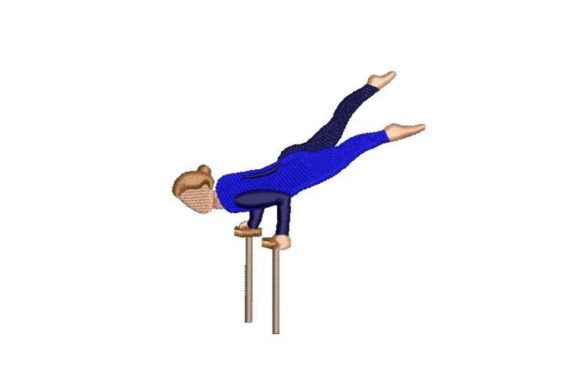
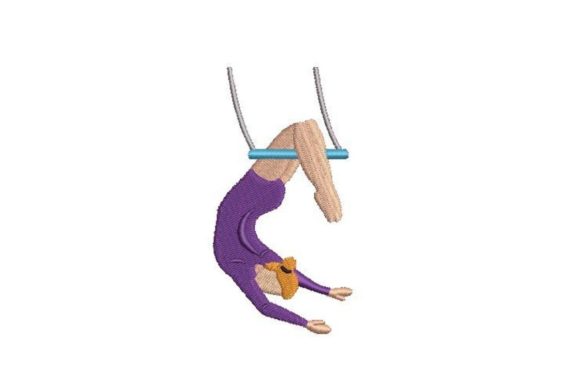
The first thing that strikes you about Trapeze is its playful yet classic vibe. It captures the essence of the circus arts with a charm that feels nostalgic rather than dated. For designers, the visual mood suggests a perfect fit for nursery decor, children's apparel, or boutique gym bags. The design relies heavily on clean lines and distinct shapes, which is crucial when working with applique. Unlike overly complex digital files that can turn into a bird's nest of thread, this design appears to prioritize clarity. The decorative appeal lies in its simplicity, making it a versatile asset for those who want to create handmade products that look professional rather than homemade in the negative sense.
When considering the stitching personality of a file like this, we look at how the elements interact. Does it rely too much on dense fills that might pucker stretchy fabric? Or does it utilize running stitch outlines effectively to define edges? Trapeze seems to strike a balance that suggests it would perform well on a variety of substrates, from sturdy denim to softer cotton blends.
Real-World Application Scenarios
Let's move beyond the screen and imagine Trapeze in a real production environment. If I were preparing a custom order for a local gymnastics studio, this design would be my go-to for creating team spirit gear. Here is how it translates across different product categories:
- Custom Apparel: Imagine this stitched onto the chest pocket of a denim jacket or as a large back patch on a varsity-style sweatshirt. The sweatshirt embroidery market is huge, and a thematic design like this adds instant value.
- Tote Bags and Aprons: For craft fair products, a canvas tote featuring Trapeze makes an excellent gift for dance moms or fitness enthusiasts. The applique technique adds texture that customers love to touch.
- Baby Items: This is perhaps the strongest use case. A bib, onesie, or burp cloth featuring this design becomes a highly giftable personalized gift. The sporty theme works wonderfully for baby showers where parents want something active and fun.
- Home Decor: Think pillow covers for a playroom or kitchen towels for a whimsical touch. The design's structure holds up well even when framed within a home setting.
For Etsy sellers and creative entrepreneurs, the versatility of Trapeze means you can create an entire collection around a single digital embroidery file. You aren't limited to one product; you are building a brand aesthetic.
Technical Considerations for Professional Results
While the design looks promising, a professional review must address the technical hurdles of machine embroidery. Before committing to a full production run, there are several factors to test.
Fabric and Stabilizer Choices
The success of any applique design depends heavily on the foundation. If you are stitching Trapeze onto a stretchy fabric like a jersey knit t-shirt, using the correct stabilizer is non-negotiable. A cut-away stabilizer is often recommended for apparel that will be washed frequently to prevent distortion over time. Conversely, for a structured item like a cap or a thick tote bag, a tear-away might suffice, but one must be careful with curved surfaces. Caps, in particular, present a challenge; ensure the design fits within the specific curvature of your cap frame to avoid registration issues.
Stitch Density and Texture
Dense stitch areas can sometimes cause fabric puckering, especially on lighter materials. When reviewing the file details on the product page, pay close attention to the indicated stitch density. If the design utilizes heavy fill stitch regions, consider doing a test run on scrap fabric identical to your final material. This allows you to adjust tension settings before ruining a customer's garment. Additionally, check the transition between the applique fabric and the surrounding stitches. A clean satin stitch border should encapsulate the raw edges of the applique neatly to prevent fraying after multiple washes.
Color Contrast and Thread Selection
The visual impact of Trapeze will change dramatically based on your thread colors. On dark fabrics, you may need to adjust the underlay or choose brighter thread shades to ensure the design pops. Always compare light and dark fabric mockups before finalizing your product photography. High contrast often leads to better engagement on social media and higher perceived value in online listings.
Enhancing Product Value and Brand Trust
In the world of commercial embroidery, consistency is key to building buyer trust. Using a high-quality design like Trapeze contributes to a polished finished product. When a customer receives an item where the stitching is crisp, the applique is secure, and the presentation is flawless, it reinforces their trust in your brand. This is particularly important for handmade shop owners competing in saturated markets.
Furthermore, the aesthetic appeal of this design aids in product photography. A well-stitched trapeze motif on a neutral background creates a striking image for your website or Etsy shop. It tells a story of craftsmanship and attention to detail. For those selling design assets or printable mockups, having a realistic representation of how the file performs on actual fabric can be a powerful marketing tool.
Final Verdict and Practical Steps
Is Trapeze worth adding to your library? For designers focusing on sports-themed goods, children's wear, or whimsical home decor, the answer leans towards yes. However, due diligence is required. Before selling any finished items, you must confirm the licensing terms on the Creative Fabrica product page. Ensure that the license covers commercial use for physical goods if you plan to sell embroidered products.
Here is a quick checklist before you start stitching:
- Verify File Details: Check the available formats to ensure compatibility with your specific embroidery machine.
- Test on Scrap: Always stitch a sample on the exact fabric you intend to use for the final product.
- Check Hoop Size: Confirm the design dimensions fit your smallest hoop if you plan on doing smaller items like patches or socks.
- Inspect Small Details: After stitching, examine the tiny lettering or fine lines (if any) to ensure they didn't get lost in the density.
- Review Washing Instructions: Advise your customers on how to care for the applique to maintain its longevity.
Ultimately, Trapeze offers a solid foundation for creating memorable, high-quality embroidered goods. By respecting the technical requirements of the file and applying your own expertise in fabric selection and stabilization, you can transform this digital asset into a best-selling physical product.