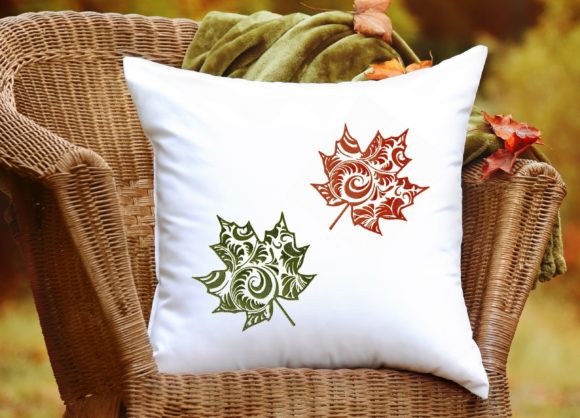
Maple Leaf Curly: A Designer's Review for Fall Craft Fairs
As an embroidery designer preparing for the upcoming weekend craft fair circuit, my eyes are constantly scanning for designs that stop customers in their tracks. The booth table is crowded with samples—tote bags, aprons, tea towels, and patches—and every inch of space needs to earn its keep. Today, I am reviewing Maple Leaf Curly, a machine embroidery design that promises to be the perfect embellishment for Thanksgiving or fall projects in general. In the competitive world of handmade products, a design must do more than just look pretty on a screen; it must translate into a tangible, high-value finished product that sells.
First Impressions and Visual Appeal
When I first loaded the digital embroidery file onto my screen, the immediate impression was one of rustic elegance. The "curly" aspect of the title suggests movement and organic flow, which is exactly what you want for a seasonal motif. Unlike rigid, geometric leaves, this design feels soft and decorative, fitting perfectly into the current farmhouse and boutique maker trends. For an Etsy seller or small shop product owner, visual appeal is currency. This design strikes a balance between festive and sophisticated, making it versatile enough for a chic kitchen towel or a cozy autumn pillow cover.
The category is listed as Floral, but in practice, this functions as a premier nature-inspired element. Its strength lies in its ability to act as a focal point without overwhelming the base material. Whether placed centrally on a market bag or as a corner accent on a napkin set, Maple Leaf Curly commands attention through its intricate curves rather than sheer size.
Product Versatility for the Craft Fair Booth
Preparing a table display requires knowing where a design will shine brightest. Here is how Maple Leaf Curly performs across various craft fair products:
- Tote Bags and Market Bags: This is likely the strongest contender for this design. A canvas tote provides a flat, stable surface that allows the curly details to stitch out cleanly. The design elevates a simple bag into a premium fall accessory.
- Apron Embroidery: Placed on the bib or lower pocket of a linen apron, this motif adds a touch of warmth. It appeals directly to home cooks looking for seasonal decor.
- Tea Towel Embroidery: While beautiful, waffle weave or textured towels can sometimes challenge detailed stitching. However, if the stitch density is managed well, the contrast against a solid cotton towel looks incredibly professional.
- Embroidered Patches: Creating iron-on patches is a fantastic way to sell this design as a standalone item. Customers love adding custom flair to denim jackets or backpacks.
- Caps and Hats: This requires caution. The curved surface of a cap can distort the "curly" lines if the design is too wide or lacks proper underlay. It works best as a smaller accent on the side or back of a hat.
- Pillow Covers and Pouches: These make excellent giftable handmade items. The design scales well for smaller fabric pouches, offering a high perceived value for a low production cost.
Production Practicality and Batch Selling
For commercial embroidery and batch production, consistency is key. A major selling point of Maple Leaf Curly is its potential for repeatability. If the design flows well without excessive jump stitches or complex color changes, it becomes a dream for hooping multiple items at once. However, before committing to a full run of fifty tote bags, you must evaluate the stitch density.
Dense stitch areas can cause puckering, especially on lighter fabrics like tea towels or thin cotton pouches. As a designer, I always advise checking the thread colors recommended in the file. High-contrast threads (like deep orange on cream fabric) make the curly details pop, while tonal threads offer a subtle, premium look. For online listings, remember that a printable mockup can only go so far; the texture of the thread in real life is what closes the sale at a physical booth.
Critical Considerations for Quality Control
To ensure your handmade product maintains a high standard, keep these careful-use notes in mind:
- Fabric Texture: Avoid using this on highly textured fabrics like thick bouclé or loose weaves unless you use a heavy cut-away stabilizer. The fine curly details may get lost or sink into the pile.
- Small Details: If the design includes tiny tips on the leaf curls, ensure they do not become bird nests during stitching. Test on scrap fabric first.
- Dark Fabric: Verify that the design includes a solid underlay or satin border if stitching on dark materials. Without it, the fabric might show through the stitches, ruining the crisp look.
- Sizing Limits: Do not shrink this design too small. The "curly" nature implies flowing lines that need space to breathe. Reducing it below a certain threshold may cause the details to merge into a blob.
Maximizing Buyer Engagement and Brand Value
In a crowded marketplace, brand consistency matters. Using Maple Leaf Curly across a cohesive collection—matching tote bags, aprons, and pillows—creates a strong booth display strength. It tells a story of autumn abundance and handmade quality. When customers see a unified aesthetic, they are more likely to purchase multiple items.
Furthermore, this design affects product value significantly. A plain tote bag might sell for $10, but one featuring a high-quality, intricate embroidery design can easily command $25 or more. The perceived effort and artistry justify the price increase. For digital sellers, offering this as part of a bundle with other fall motifs can increase average order value on platforms like Etsy.
Final Designer Notes and Next Steps
Before you start churning out inventory for the next craft fair, take these practical steps. First, test the design on the exact fabric you intend to sell. A design that looks great on polyester might behave differently on natural linen. Second, review the spacing and confirm the hoop size required; ensure your machine setup matches the file specifications. Third, inspect the stitch density settings in your software if you have the capability to edit them for specific fabrics.
Most importantly, since the product description states that this machine embroidery design comes with multiple embroidery file formats, verify which format works best for your specific machine brand before production begins. Additionally, the description does not specify exact stitch counts or license terms. You must confirm commercial licensing details with the creator to ensure you are legally cleared to sell finished products made with this asset.
By treating Maple Leaf Curly not just as a digital file but as a core component of your product strategy, you can create a stunning array of fall-themed items. From the first glance at your booth to the final stitch on a customer's new favorite apron, this design has the potential to be a standout seller in your handmade shop.