Madrid Victorian Vintage Lettering: A Designer's Review
When I first opened the Madrid Victorian Vintage Lettering file on my screen, the immediate impression was one of refined nostalgia. There is a specific mood that Victorian-era typography evokes—a sense of permanence, elegance, and handcrafted history. As a designer who spends hours staring at digitized paths and stitch simulations, I look for more than just pretty shapes; I look for how a design will translate from a digital embroidery file to a tangible finished product. This design carries a splendid decorative style that feels perfectly suited for the current trend of modern home decor that leans into vintage aesthetics. It is not just a font; it is a statement piece that requires careful consideration before hooping up.
The Visual Personality and Stitch Structure
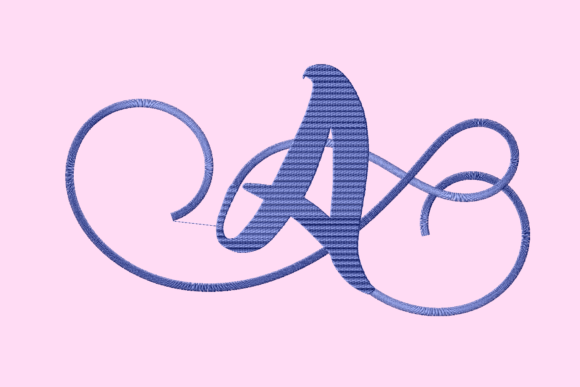
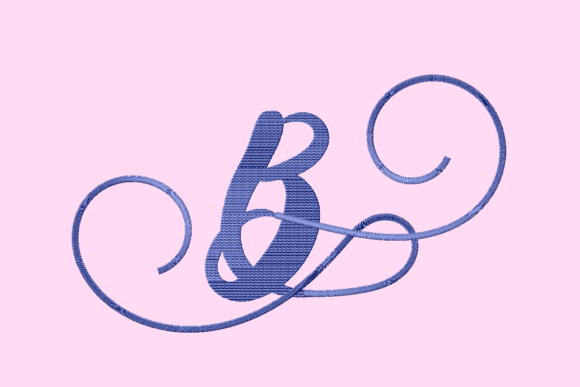
The layout of Madrid Victorian Vintage Lettering is distinct. It avoids the overly swirly, hard-to-read scripts that often plague vintage collections, opting instead for bold, structured letterforms with delicate serif details. In terms of stitch construction, the design appears to rely heavily on satin stitch columns to create those crisp edges, likely supported by fill stitch areas in the broader parts of the characters to ensure coverage. For an experienced eye, this suggests a design that will pop with dimensionality but demands respect regarding stitch density.
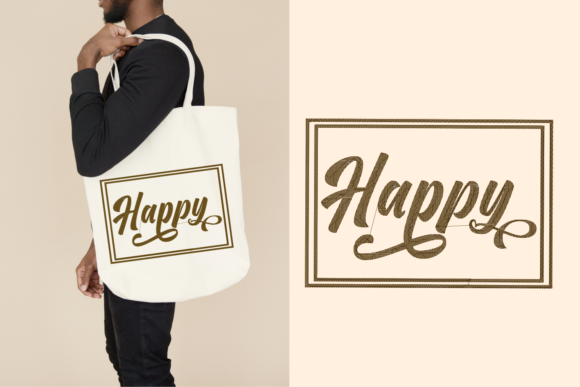
If you are planning to use this for a custom apparel project, such as a heavyweight cotton sweatshirt or a structured tote bag, the density should hold up beautifully. The visual personality is authoritative yet romantic, making it an excellent candidate for boutique branding where you want to convey quality and tradition. However, the intricate corners and fine serifs mean that thread choice is critical. A matte rayon or a high-sheen polyester will react differently here; I would recommend testing both to see which better captures the "vintage" feel without looking too plastic or too flat.
Real-World Application: The Boutique Tote Scenario
To truly evaluate this design, I imagined a specific real-life scenario: creating a line of limited-edition tote bags for a local artisan market. The goal was to offer a personalized gift option where customers could have their family name or a short phrase embroidered in this style. Madrid Victorian Vintage Lettering fits this brief perfectly. On a natural canvas tote bag design, the contrast between the rustic fabric texture and the polished, sharp lines of the Victorian letters creates a high-end look.
In this context, the design acts as a focal point. Unlike a small logo that gets lost, this lettering commands attention. If you are an Etsy seller or run a small shop product line, this kind of visual impact increases perceived value. Customers are willing to pay more for items that look like they took time and skill to produce. The "Europe" influence in the styling adds a layer of sophistication that appeals to buyers looking for something beyond generic big-box store merchandise. Whether it is for holiday embroidery gifts or year-round boutique sales, the design elevates the base material instantly.
Fabric Compatibility and Technical Challenges
While the aesthetic is strong, practical application requires caution. Not every surface is friendly to detailed vintage lettering. If you attempt to stitch Madrid Victorian Vintage Lettering onto thin, stretchy fabrics like a lightweight jersey t-shirt or a silky blouse without proper stabilization, you risk distortion. The dense areas of the letters can pull the fabric, causing the fine details to bunch up or the letters to warp.
- Textured Fabrics: On towels or waffle-weave aprons, the running stitch outlines might get lost in the pile. A heavier underlay or a different stabilizer approach is necessary here.
- Dark Fabric: When stitching on black or navy, ensure your thread colors have enough contrast. A dark red on black might look moody, but legibility suffers. Always test a black-and-white mockup first to check readability.
- Curved Surfaces: Using this on a cap is possible but tricky. The curvature of the front panel can distort the horizontal balance of the lettering. It works best on flat surfaces like pillow covers or tea towels.
- Small Hoop Sizes: If the design is large, you may be forced to resize it down. Be very careful here. Shrinking Victorian details too much can turn crisp serifs into muddy blobs of thread.
Enhancing Brand Consistency and Customer Trust
For creative entrepreneurs and digital product sellers, consistency is key. Using Madrid Victorian Vintage Lettering across various design assets—from physical embroidered patches to printable mockups for your online store—creates a cohesive brand identity. When a customer sees the same elegant typography on your website, your packaging, and the actual handmade product, it builds trust. It signals professionalism.
This design helps express a love for history and craft, which resonates deeply with the current maker movement. It tells a story before the customer even touches the item. For commercial embroidery projects, this reliability is invaluable. You aren't just selling a stitched name; you are selling an experience of luxury and care. However, always remember that the final look depends on your machine's tension settings and your choice of thread colors. A poorly tensioned satin stitch can ruin the clean lines this design is known for.
Essential Notes for the Working Designer
Before committing this design to a client's expensive garment or a batch of inventory, there are several practical steps you must take. First, test the design on scrap fabric that matches your final material exactly. Do not skip this step. Check how the stabilizer interacts with the fabric; a cut-away might be safer than a tear-away for long-term durability, especially if the item will be washed frequently.
Review the stitch count and density settings in your editing software. If the design feels too heavy, consider reducing the fill density slightly to prevent puckering, provided it doesn't compromise coverage. Confirm the hoop size requirements; if the design exceeds your standard hoop, plan your placement carefully to avoid re-hooping errors. Inspect the small details closely under magnification if possible—are the tie-offs hidden? Are the jump stitches minimal?
Finally, verify the licensing terms. While this description highlights its suitability for modern home decor and personal expression, commercial use rights vary by vendor. Ensure you are cleared to sell finished products or digital derivations if that is part of your craft business model. Since specific file formats and exact stitch counts were not provided in the initial overview, double-check the download package for compatibility with your specific machine brand.
In conclusion, Madrid Victorian Vintage Lettering is a robust, character-rich asset for the serious embroiderer. It bridges the gap between old-world charm and modern application effectively. With the right fabric, proper stabilization, and a keen eye for detail, it can transform simple items into cherished heirlooms or best-selling shop merchandise. It is a design that rewards preparation and technical skill, offering a sophisticated result that stands out in a crowded marketplace.