Desert Embroidery Review: A Cactus Scene for Handmade Goods
As an embroidery designer who spends hours digitizing and stitching for clients, I am always cautious about downloading new machine embroidery design files. The market is flooded with options, but finding a file that translates well from screen to fabric requires a keen eye. Recently, I came across a product on Creative Fabrica titled Desert, categorized under Bouquets, which immediately caught my attention for its thematic potential. This review evaluates whether this specific embroidery file is suitable for real-world commercial projects, ranging from custom apparel to home decor.
First Impressions and Visual Mood
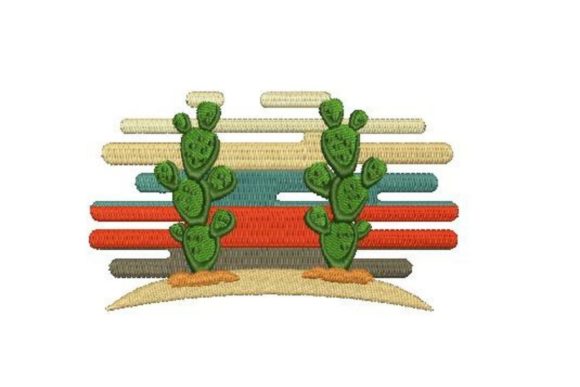
The first thing that strikes me about the Desert design is its evocative mood. It features two cactuses, described as symbols of supreme heat, creating a cohesive desert scene. In the world of Creative Fabrica embroidery, many "nature" designs feel generic, but this one aims for a specific atmospheric quality. For a designer, the visual balance between the two cactuses suggests a composition that could work well as a central motif on a tote bag or a pocket detail on a denim jacket.
The decorative appeal lies in its simplicity. A scene like this does not need excessive complexity to be effective; often, clean lines and recognizable silhouettes perform better on textured fabrics. When considering this for a handmade product, the imagery speaks to current trends in boho-chic and southwestern aesthetics, which remain popular in boutique merchandise and Etsy listings.
Evaluating Stitching Personality and Technique
While the product description confirms the inclusion of multiple embroidery file formats, it does not specify the exact stitch types used. However, based on the visual representation of cactuses, one can anticipate a mix of techniques. Typically, a design like this would utilize fill stitch for the body of the cactuses to provide solid color coverage, potentially accented by satin stitch for outlines or flower details if present. There may also be running stitch elements for texture or background details like sand dunes.
For professional embroiderers, understanding the stitch density is crucial before committing to a production run. Dense areas can cause puckering, especially on stretchy fabrics like sweatshirt fleece or jersey knits. If the Desert design relies heavily on dense fill stitches, it will require a high-quality cut-away stabilizer to maintain shape after washing. Conversely, if the design uses lighter stitching, it might be suitable for delicate items like baby blankets or kitchen towels where softness against the skin is a priority.
Practical Application in Commercial Projects
Imagining this design in a real customer order helps determine its versatility. Here is how Desert could perform across various mediums:
- Custom Apparel: The dual-cactus scene is ideal for the back of a denim jacket or the chest pocket of a flannel shirt. The theme fits perfectly with outdoor and festival wear.
- Tote Bag Design: Canvas totes are a staple for craft fairs. This design could serve as a standout graphic, provided the hoop size accommodates the width of the two cactuses.
- Sweatshirt Embroidery: For cozy winter gear, placing this on a crewneck adds a touch of whimsy. Care must be taken with the nap of the fleece to ensure the details do not get lost.
- Embroidered Patch: If the file allows for a merrowed edge or if you plan to digitize a border, this scene makes an excellent iron-on or sew-on patch, a high-margin item for online sellers.
- Nursery Decor: Despite the "supreme heat" theme, cacti are surprisingly popular in modern nurseries. Stitched onto a pillow cover or wall hanging, it adds a gentle, natural element.
Technical Considerations for Real-World Use
Before stitching a final finished product, several technical factors must be addressed. Since the specific hoop size is not listed in the brief description, it is imperative to check the product details on the Creative Fabrica page. If the design is large, it may not fit on a standard 4x4 hoop, limiting its use on caps or small patches.
Working with dark fabric presents another challenge. The description mentions a desert scene, which often implies earth tones, tans, and greens. On a black or navy garment, you must verify that the thread colors suggested or used in the file have enough contrast. You may need to manually adjust the color sequence in your embroidery software to ensure the cactuses pop against the background.
Furthermore, curved surfaces like caps require careful handling. If the design has wide, flat areas of fill stitch, it might distort on the front panel of a baseball cap. In such cases, testing on a scrap piece of similar material is non-negotiable. Always inspect small details after stitching; tiny elements can sometimes pull or bunch up if the tension is not perfectly calibrated.
Enhancing Product Value and Brand Consistency
Incorporating a well-chosen design like Desert can significantly affect product value. For handmade shop owners, consistency is key to building buyer trust. If your brand focuses on nature-inspired goods, this design reinforces that identity. High-quality stitching enhances the perceived value of a personalized gift, turning a simple towel or apron into a boutique-level item.
Visual appeal is also critical for product photography. A crisp, well-executed embroidery design photographs beautifully, increasing engagement on social media and marketplace listings. Using this asset in a printable mockup before even stitching can help you gauge its marketing potential. If the digital representation looks professional, it likely translates well to physical goods, aiding in pre-sales and customer excitement.
Final Verdict and Usage Recommendations
The Desert embroidery design offers a promising aesthetic for those looking to expand their catalog with southwestern or nature-themed items. Its potential application in commercial embroidery is broad, covering everything from apparel to home goods. However, success depends on due diligence.
Before purchasing or downloading, I strongly advise checking the specific license terms on the product page. While many Creative Fabrica assets allow for commercial use, confirming the limits on sales volume or usage rights is essential for legal peace of mind. Additionally, since the description cuts off regarding specific uses ("can be used with m..."), verifying the complete list of compatible machines and intended applications is necessary.
To ensure the best results:
- Test the design on scrap fabric identical to your final material.
- Review the stitch density and adjust stabilizer type accordingly.
- Confirm the hoop size requirements match your machine capabilities.
- Compare light and dark fabric mockups to assess thread contrast.
- Inspect the stitched sample for any loose threads or registration issues.
In conclusion, Desert appears to be a versatile digital embroidery file that, when handled with professional care, can elevate a range of handmade products. By paying attention to the technical details of stitching and fabric selection, designers can leverage this asset to create compelling, marketable goods that resonate with customers seeking unique, handcrafted quality.