Cute Little Frog: A Designer's Review for Real Projects
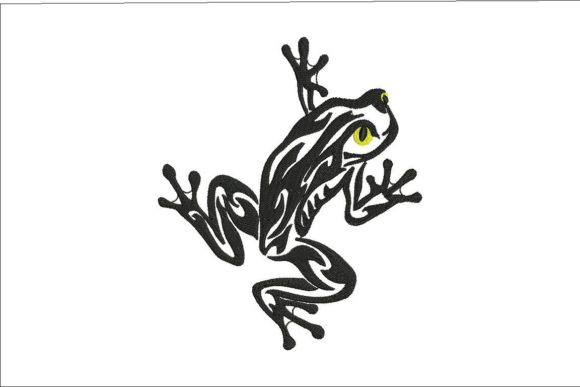
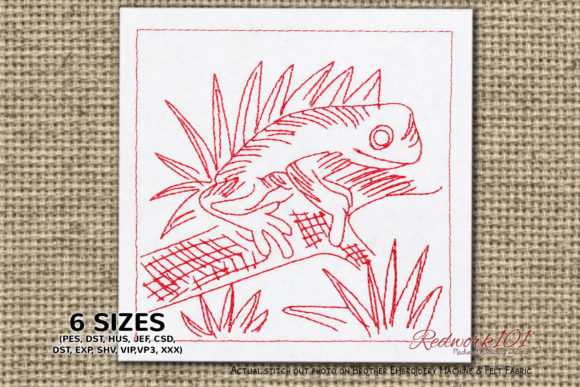
When I first pulled up the Cute Little Frog design on my screen, my immediate reaction wasn't just about whether it was "cute"—it was about utility. As someone who spends hours hooping fabric, threading needles, and managing client expectations, I look at every machine embroidery design through a lens of practicality. Does this translate well to physical thread? Will it hold up on a washed tote bag? Is it versatile enough for a small shop product line? This specific frog motif, categorized under Reptiles but leaning heavily into whimsical character art, offers a charming redwork style that demands a closer look before you commit it to your next embroidery project.
First Impressions: Mood and Visual Personality
The defining characteristic of Cute Little Frog is its simplicity. The description highlights it as a "redwork" style piece, which traditionally means single-color outline stitching, though modern interpretations often allow for creative color fills. The visual personality here is friendly and approachable. It lacks the aggressive detailing of realistic wildlife illustrations, opting instead for soft curves and a playful stance. This makes it an ideal candidate for projects targeting children, nursery decor, or anyone looking for a touch of lighthearted nature in their handmade product lineup.
The layout appears compact, which is a significant advantage for versatility. In the world of Embroidery, negative space is just as important as the stitches themselves. This design seems to breathe well, avoiding the cluttered look that can occur when too many details are crammed into a small area. The optional "Box Stitch" mentioned in the product notes is an interesting addition; it suggests a framed aesthetic that could work beautifully for patches or isolated motifs on pocket areas, but as a reviewer, I would advise testing the design both with and without this border to see which better suits your specific finished product goals.
Real-World Application: From Concept to Customer
Let's imagine a real-life scenario. You run a small Etsy shop specializing in eco-friendly baby gifts. A customer requests a personalized burp cloth set with a nature theme. This is where Cute Little Frog shines. Because the design relies on clean lines rather than dense satin columns, it sits flat against thin flannel or cotton without causing excessive puckering—a common nightmare with heavier fill stitch designs. The result is a professional-looking baby embroidery item that feels soft to the touch, crucial for infant products.
Beyond baby items, consider the potential for custom apparel. Picture this design stitched onto the chest pocket of a denim jacket or the hem of a canvas tote bag design. The simplicity of the frog allows it to act as a subtle brand marker or a decorative accent without overwhelming the garment. For Etsy sellers and craft business owners, this adaptability is gold. You aren't locked into one niche; you can pivot from holiday gifts to everyday wear seamlessly. If you are creating a spring collection, this reptile motif fits perfectly alongside floral elements, offering a cohesive yet varied aesthetic for your boutique branding.
Navigating Fabric and Technical Challenges
However, no design is without its constraints, and a honest review must address where caution is needed. While redwork styles are generally forgiving, the performance of Cute Little Frog will depend heavily on your choice of fabric texture. On textured fabrics like terry cloth or heavy wool, fine running stitches can get lost or appear jagged. In these cases, you might need to adjust your stitch density or choose a thicker thread weight to ensure visibility.
Stretchy fabrics present another hurdle. If you plan to use this on a fitted t-shirt or leggings, the lack of dense filling means the fabric has more room to distort under tension. Proper stabilization is non-negotiable here. I always recommend using a cut-away stabilizer for stretchy materials to maintain the shape of the frog over time, especially since this item is likely intended for frequent washing. Additionally, if you are attempting this on dark fabric, remember that redwork relies on contrast. A traditional red thread on navy blue might not pop enough; you may need to experiment with brighter thread colors like lime green or gold to ensure the embroidery file renders clearly against the background.
Curved surfaces, such as caps, require careful hooping. The small details of the frog's eyes or toes could compress if the fabric isn't drum-tight in the hoop size you select. Always verify the minimum hoop requirements provided by the designer. If the design includes tiny, intricate corners, these are prone to bird-nesting if the machine tension isn't dialed in perfectly. A test run on scrap fabric of the same weight and weave as your final material is the only way to guarantee success before stitching on a client's expensive sweatshirt embroidery blank.
Commercial Value and Brand Consistency
From a business perspective, the value of Cute Little Frog lies in its broad appeal. It doesn't alienate customers with overly specific stylistic choices. Whether you are selling personalized gift items for a baby shower or creating stock for a craft fair, this design supports high perceived value due to its clean execution. Customers trust handmade items that look neat and deliberate; a messy or poorly scaled design can undermine that trust instantly.
For those creating printable mockup assets or digital previews for their online stores, this design photographs well. The clear lines translate effectively into images, helping potential buyers visualize the finished product quickly. However, if you intend to sell the digital embroidery file itself, you must rigorously check the licensing terms. Many designers allow the sale of finished physical goods but restrict the resale of the digitized file. Confirming these rights is essential to avoid legal issues down the line, especially if you are building a craft business around these assets.
Final Verdict and Designer Notes
In summary, Cute Little Frog is a solid addition to any embroiderer's library, particularly for those focusing on juvenile markets, casual apparel, or home decor. Its strength is in its adaptability and the ease with which it can be integrated into various commercial embroidery workflows. To get the best results, keep these practical tips in mind:
- Test First: Always stitch a sample on scrap fabric to check for registration issues or thread breaks.
- Contrast Check: Ensure your thread color stands out against the fabric; don't assume red works on everything.
- Stabilizer Matters: Match your stabilizer to the fabric weight—cut-away for knits, tear-away for stable wovens.
- Scale Appropriately: Verify the design size fits your intended application, whether it's a small patch or a large pillow cover.
- Review Details: Inspect small corners and eyes after stitching; you may need to manually trim jump stitches for a cleaner look.
- Licensing: Double-check if the license permits commercial sale of finished goods or if it is for personal use only.
Ultimately, this design earns its place in a professional toolkit not because it is flashy, but because it is reliable. It delivers a consistent, charming result that enhances the perceived quality of your small shop product offerings. With the right preparation and attention to material selection, Cute Little Frog can become a staple in your portfolio, delighting customers and simplifying your production process.