Blue Bird: A Playful Accent for Boutique Sweatshirts
As an embroidery designer who has spent years refining digitized art for commercial apparel, I approach every new machine embroidery design with a critical eye. It is not just about whether the image looks cute on a screen; it is about how those stitches will behave on thick fleece, how the thread tension holds up after fifty washes, and whether the final aesthetic elevates a brand's identity. Recently, I evaluated the Blue Bird design for an upcoming limited drop of premium sweatshirts for a small boutique client, and the results offered some fascinating insights into creating successful custom apparel.
First Impressions: Mood and Stitching Personality
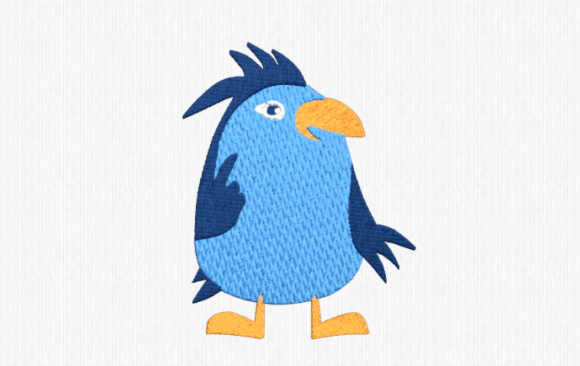
The moment I loaded the digital embroidery file for Blue Bird, the personality of the piece jumped out. The description promises a "goofy" and "crazy" bird, and the stitch layout delivers exactly that without sacrificing clarity. In the world of Birds themed Embroidery, there is often a struggle between realism and caricature. This design leans heavily into a playful, whimsical vibe that feels incredibly current for lifestyle brands targeting a younger, creative demographic.
The mood is undeniably sweet yet bold. It avoids being overly childish, instead landing in that coveted "quirky chic" space that sells well on platforms like Etsy. For a boutique brand looking to distinguish itself from mass-market retailers, this kind of specific stitching personality is gold. It suggests a handmade touch while maintaining the consistency required for a small shop product line. The layout appears balanced, ensuring that the "crazy" nature of the bird does not compromise the structural integrity of the design when scaled.
Fabric Compatibility and Color Theory
One of the most critical aspects of my review process is testing how a design interacts with different fabric textures. For this project, we are focusing on heavyweight cotton-blend sweatshirts. The Blue Bird design shines particularly well on neutral tones. Imagine a heather grey or oatmeal sweatshirt; the blue threads pop against the muted background, creating a high-contrast focal point that draws the eye immediately.
However, the versatility of this embroidery file extends further. On dark navy or black hoodies, the blue hues need careful selection. If the design uses a standard royal blue, it might get lost against black fabric. In a production setting, I would recommend swapping specific thread colors to a brighter cyan or adding a subtle white underlay or outline to ensure the "goofy" details remain visible. Conversely, on pastel pink or mint green oversized hoodies, the design takes on a softer, more feminine appeal, perfect for spring collections.
The description notes that the design comes with "multiple embroider" options, which likely refers to varied colorways or sizing formats. This flexibility is essential for commercial embroidery where one design must adapt to various garment colors without losing its impact. Whether you are aiming for a rustic look on a textured French terry or a clean, modern look on smooth fleece, Blue Bird adapts remarkably well.
Placement Strategies for Maximum Impact
Where you place the Blue Bird determines the entire vibe of the garment. For a standard retail look, a left-chest placement on a zip-up hoodie offers a subtle branding opportunity. It feels exclusive and understated, appealing to customers who prefer minimalism. However, given the "crazy" nature of the bird, I found that a larger scale placement on the back of an oversized sweatshirt truly allows the design to breathe.
For sleeve accents, the design works beautifully as a recurring motif. Imagine a collection where the front features a small logo, but the sleeve showcases this goofy bird peeking out. This kind of detail increases perceived value and encourages customer engagement, as buyers love discovering hidden elements in their handmade product purchases. When creating printable mockup files for your online store, ensure you showcase these varied placements. Lifestyle photography featuring the bird on the cuff or the upper back can significantly boost conversion rates by showing versatility.
Technical Considerations for Production
Before running a full production batch, several technical factors must be addressed to ensure the finished product meets professional standards. Since sweatshirts involve thick, looped fabrics, stitch density is a major concern. If the design is too dense, it can cause puckering or make the fabric stiff and uncomfortable. The Blue Bird design appears to have a moderate density suitable for fleece, but testing on your specific fabric weight is non-negotiable.
Choosing the right stabilizer is equally vital. For a premium feel, I recommend using a cut-away stabilizer rather than tear-away. This ensures that the "goofy" details of the bird do not distort over time, especially since sweatshirts undergo significant stretching during wear. Additionally, consider the hoop size required. While the prompt mentions multiple options, always verify that your machine's hoop capacity matches the largest version of the design you intend to use.
Washing durability is another key metric for buyer trust. A design that frays or loses shape after the first wash can damage a boutique brand's reputation. Ensure that the jump stitches are trimmed cleanly and that the satin columns (if used for the beak or eyes) are tight enough to withstand agitation. Small-size readability is also crucial if you plan to offer this as a patch or a small chest logo; verify that the fine details of the bird's expression do not merge into a blob when reduced.
Elevating Brand Identity and Value
Incorporating a character-driven design like Blue Bird does more than just decorate a garment; it builds a narrative. For an Etsy seller or independent designer, this kind of unique asset helps forge a stronger connection with the audience. It transforms a generic sweatshirt into a piece of wearable art with personality. This emotional connection drives higher price points and fosters loyalty.
Visual recognition is key in a saturated market. When customers see that specific shade of blue and the quirky stance of the bird, they should immediately think of your brand. Consistent use of such design assets across your social media, packaging, and product lines creates a cohesive visual language. It signals to the buyer that thought and creativity went into the item, justifying a premium position in the marketplace.
Ultimately, the Blue Bird embroidery design is a robust tool for creative entrepreneurs. It balances fun with functionality, offering enough detail to be interesting but enough simplicity to be durable. Just remember to check the specific file formats and license terms included with your purchase, as these were not explicitly detailed in the brief description. By paying attention to thread contrast, stabilizer choice, and strategic placement, you can turn this goofy bird into the star of your next successful clothing drop.